

Building an online store may seem daunting at first, but with careful planning, you can create an e-commerce website that is not only functional but also visually appealing and successful at generating sales. Here are some tips to keep in mind while building your professional online store:
Choose an e-commerce platform that is easy to use, customisable, and integrates well with other tools. Your designer will have their preferences on platform but have an idea of what you think will work best for you and our business
- Make sure you optimise your website for mobile devices since more than half of all online shopping is done on mobile devices.
- Improve your website’s search engine optimization (SEO) by researching the right keywords, creating quality content, and improving its speed and performance.
- Provide clear information about returns, shipping, and customer support. Excellent customer service fosters customer loyalty.
- Utilise analytics to gather insights and make data-driven decisions to optimise your store and improve conversions.
Remember: always put your customers first by providing them with the best possible shopping experience. With the right approach and tools, you can build a successful online store that impresses your customers and generates sales.
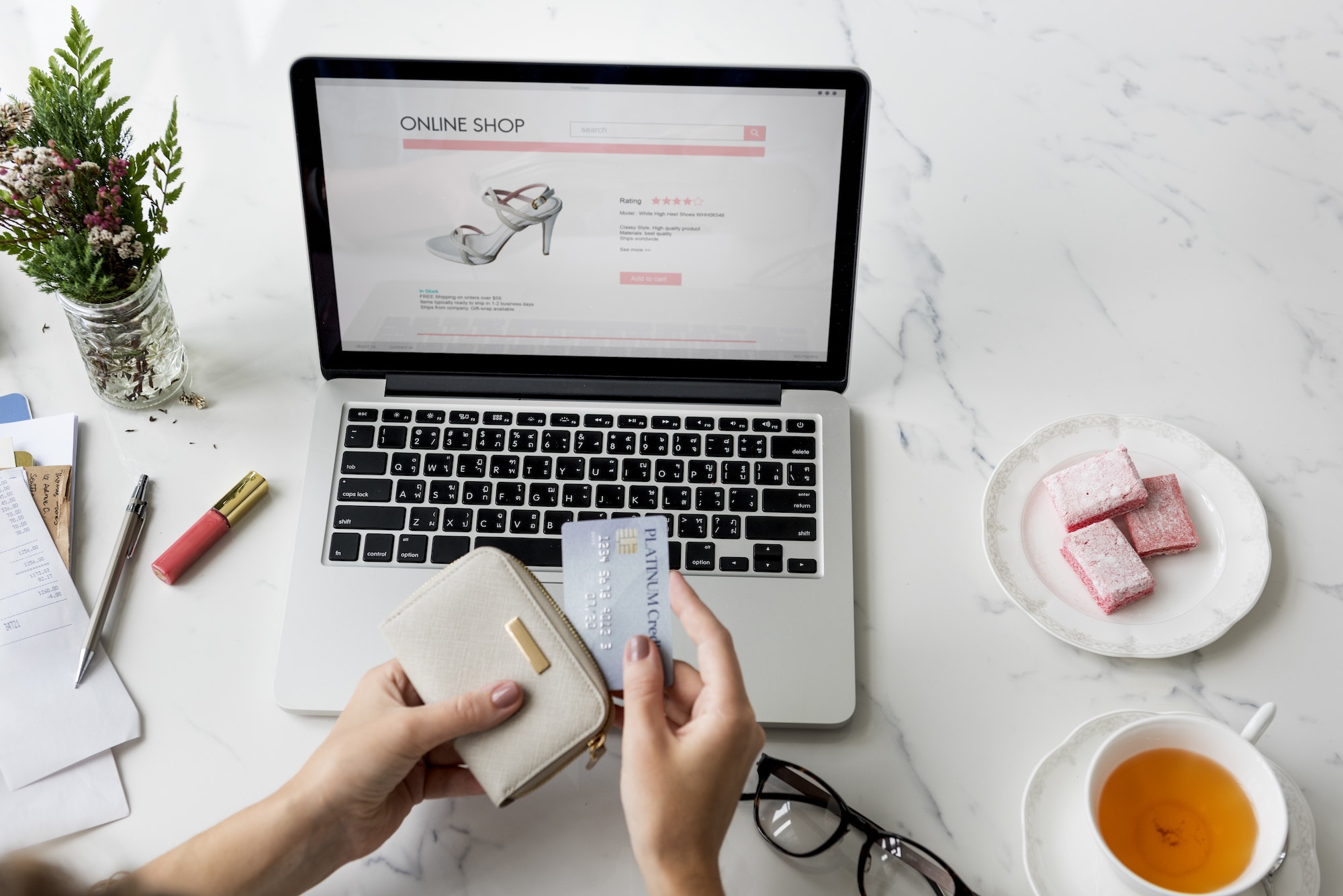
Of course, not everyone has the time or inclination to build their own online store. That’s where the Online Design team comes in! We appreciate choosing the right website designer can be a bit of a task, but as an essential part of your business strategy, choosing the right design team is crucial to getting it right. Here are some factors to consider when selecting a website designer:
- Experience: Look for a designer with experience in creating websites for businesses similar to yours. This can help ensure that the designer understands your industry-specific challenges and requirements.
- Portfolio: Take a look at a designer’s portfolio to assess their design style and see if it appeals to you. Ensure their past work demonstrates their ability to create unique and visually appealing websites.
- Communication: Choose a designer who has open communication channels, is responsive to your queries, and listens to your requirements. Good communication can help avoid misunderstandings and ensure your website gets delivered on time.
- Pricing: Consider the designer’s pricing and ensure it fits within your budget. However, don’t be tempted to sacrifice quality in exchange for a lower price.
Conclusion: Choosing the right website designer is critical to your online presence. By taking the time to evaluate your options based on the above factors, you can help ensure you choose a designer that meets your needs and helps elevate your business’ digital presence.